28
Nov
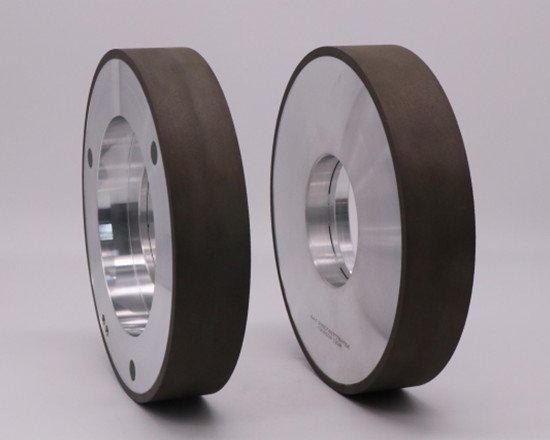
Brass (a copper-zinc alloy) is a typical tough non-ferrous metal, prone to problems such as adhesion, wheel clogging, and workpiece burning during grinding. While diamond wheels are superhard abrasives, proper use can achieve excellent machining results efficiently.
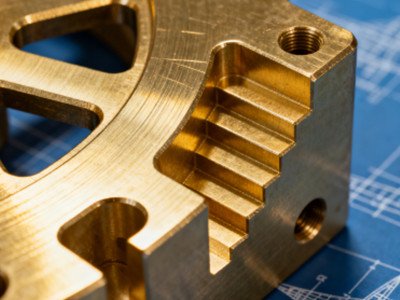
Adhesion and Clogging: Brass’s toughness makes it easy for grinding debris to adhere to the wheel surface, clogging the wheel’s pores, leading to increased grinding force, higher grinding temperature, and workpiece surface burning.
Work Hardening: Improper grinding pressure and methods can cause work hardening on the brass surface, affecting subsequent processes and product performance.
Maintaining Sharpness: The grinding wheel needs to maintain a consistently sharp cutting ability.
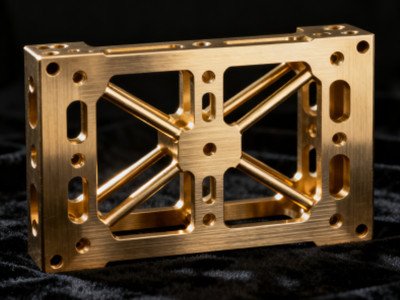
Extremely high hardness and wear resistance: Effectively cuts brass while maintaining its shape.
Good thermal conductivity: Helps to quickly dissipate grinding heat, reducing workpiece surface temperature.
The key to the solution: By selecting the appropriate grinding wheel specifications, optimizing process parameters, and enhancing cooling, the adhesion problem can be effectively solved, achieving efficient and precise grinding.


The preferred choice is a diamond grinding wheel with a large porous resin bond
| Parameter | Recommended Choice | Reason for Selection |
|---|---|---|
| Abrasive Type | Synthetic Diamond (RVD Series) | RVD (resin-bond–grade diamond) offers good toughness, strong self-sharpening ability, and relatively low cost — very suitable for grinding non-ferrous metals. |
| Grit Size | 100# – 180# (Rough Grinding)
240# – W40 (Finishing) |
Grit should not be too fine, otherwise the wheel may become easily loaded. Coarse grit focuses on stock removal and efficiency; finer grit is used to achieve the required surface finish. |
| Bond Type | Resin Bond (B) | First choice! Resin bond offers excellent elasticity and polishing ability, has good self-sharpening, and is less prone to loading while reducing grinding heat. Metal bond (M) is too hard and easily clogged — not recommended. Vitrified bond (V) can be considered but performs between resin and metal bonds. |
| Concentration | 50% – 75% | A moderate concentration is ideal. Too high reduces chip-space and increases loading; too low reduces wear resistance. 75% is a common and effective choice. |
| Wheel Shape | Flat wheel (1A1), Cup wheel (6A2), etc. | Select based on the specific grinding machine and the geometry of the workpiece. |
| Porosity | Large pores or added pore-former | Critical! A high-porosity wheel provides more chip-space, improves chip evacuation and cooling, and greatly reduces brass adhesion and wheel loading. |
| Parameter | Recommended Range & Suggestions | Notes |
|---|---|---|
| Wheel Speed (Surface Speed) | 20–35 m/s | For resin-bond grinding wheels, the speed should not be too high; otherwise, the bond wears too quickly and reduces wheel life. As long as burning is avoided, increasing speed appropriately can improve efficiency. |
| Workpiece Feed Rate | 10–25 m/min | Feed rate should not be too slow; otherwise, the long contact time between workpiece and wheel can cause high temperature and adhesion. Higher feed rates help chip breaking and evacuation. |
| Grinding Depth | Rough Grinding: 0.01–0.03 mm
Finishing: 0.002–0.01 mm |
Follow the strategy of “small depth of cut, fast feed.” Large depth of cut sharply increases grinding force, leading to adhesion, wheel loading, and surface damage. |
| Coolant | Mandatory! | Provides cooling, lubrication, and flushing simultaneously. |

Type Selection:Water-based synthetic or semi-synthetic coolant:** Excellent cooling and cleaning performance, good rust prevention, and the preferred choice.
Low-viscosity specialized grinding oil: Better lubrication and excellent surface finish, but more expensive, and poses risks of fumes and fire.
Absolutely Avoid: Using pure oil or excessively viscous oils will cause grinding debris to mix with the oil, forming sludge and exacerbating grinding wheel clogging.
Usage Requirements:
High flow rate:Sufficient flow rate (far exceeding that required for grinding steel) is necessary to flush the grinding wheel surface and remove grinding debris promptly.
Sufficient pressure:The nozzle should be aligned with the grinding zone to ensure effective coolant access to the grinding arc area.
Clean filtration:A high-efficiency filtration system (such as a magnetic separator or paper tape filter) is essential to prevent brass shavings from circulating in the coolant and being re-introduced into the grinding zone.
Even new grinding wheels should be dressed before grinding brass
Dressing tools: Silicon carbide oilstone or a dedicated grinding wheel dressing roller.
Method: Use turning or grinding methods to dress the outer diameter of the grinding wheel with an appropriate depth of cut to achieve the specified dimensional and shape accuracy, exposing new abrasive grains.
Note: Due to the good self-sharpening properties of resin-bonded diamond grinding wheels, frequent dressing is usually unnecessary during normal grinding. Dressing is only required when the grinding force increases significantly, or when abnormal noise or burn marks appear on the workpiece surface.
The key to successfully grinding brass with diamond grinding wheels is “anti-clogging” and “strong cooling”.
Recommended solution: Large-pore resin-bonded diamond grinding wheel + sufficient clean water-based coolant + small depth of cut and fast feed rate.