0086-17700605088
tech@moresuperhard.com
Home
About Us
Company Profile
Customer Reviews
FAQ
Videos Center
Products
Magnetic Material Processing
Cutting Tools
Grinding Tools
Glass
Composite Materials
Ceramic Materials
Superhard Materials
Non-ferrous Metals
Ferrous Metals
Cutting tools for difficult-to-cut materials
Optical Materials processing
Grinding wheel for optical windows
Diamond cutting wheel for glass
Ceramic Materials Processing
Cutting
Surface Grinding
Centerless Grinding
External Grinding
Composite Materials Processing
Cutting
Grinding
Diamond Materials Processing
Cutting Tool Blanks
PCD Cutting Machines
PCD/ CBN Grinding Wheel
MCD Tools Ginding
Peripheral Grinding Wheel
Cermet Tools Grinding
Diamond Parts Grinding
Grinding Machines
Dressing
Brazing
Semi-conductor Materials Processing
Cutting
Grinding
Polishing
Carbon Materials Processing
Cutting
Grinding
Polishing
New Metal Materials Processing
Grinding
Cutting
Application
News
Industry Solutions
Company News
PDF Downloads
Contact Us
Get a quote
Home
About Us
Company Profile
Customer Reviews
FAQ
Videos Center
Products
Magnetic Material Processing
Cutting Tools
Grinding Tools
Glass
Composite Materials
Ceramic Materials
Superhard Materials
Non-ferrous Metals
Ferrous Metals
Cutting tools for difficult-to-cut materials
Optical Materials processing
Grinding wheel for optical windows
Diamond cutting wheel for glass
Ceramic Materials Processing
Cutting
Surface Grinding
Centerless Grinding
External Grinding
Composite Materials Processing
Cutting
Grinding
Diamond Materials Processing
Cutting Tool Blanks
PCD Cutting Machines
PCD/ CBN Grinding Wheel
MCD Tools Ginding
Peripheral Grinding Wheel
Cermet Tools Grinding
Diamond Parts Grinding
Grinding Machines
Dressing
Brazing
Semi-conductor Materials Processing
Cutting
Grinding
Polishing
Carbon Materials Processing
Cutting
Grinding
Polishing
New Metal Materials Processing
Grinding
Cutting
Application
News
Industry Solutions
Company News
PDF Downloads
Contact Us
Email:
tech@moresuperhard.com
Whatsapp:
008617700605088
Tel:
008617700605088
Language:
English
English
English
News
Home
>
Industry Solutions
Industry Solutions
Company News
Sep
24
What Kind of Grinding Wheel is Suitable for Carbon Graphite Machining?
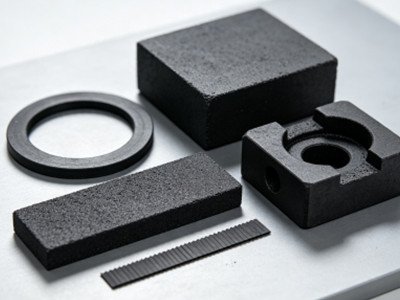
Machining carbon‑graphite brings unique grinding challenges including edge chipping, wheel clogging and fast abrasive wear. This technical guide covers diamond wheel selection for carbon‑graphite, comparing three main bond systems and offering real‑world grit‑size and process advice for better part yield and service‑life performance.
Sep
23
Grinding Process of Fused Silica Optical Components
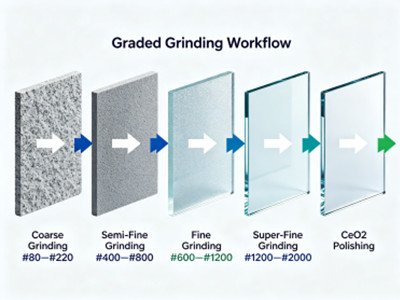
Fused silica is a typical hard‑brittle optical material, widely used for manufacturing lenses, optical windows and substrates. As a key connecting procedure in optical cold processing, grinding wheel selection, process flow and technical parameters directly affect surface quality, subsurface damage, processing efficiency and final yield of workpieces. This article systematically summarizes the technical essentials for fused silica grinding from material grinding characteristics, graded grinding procedures, diamond wheel selection and on‑site operation tips, providing process references for practical production of optical components.
Sep
16
What kind of cutting disc is suitable for cutting silicon carbide bushings?
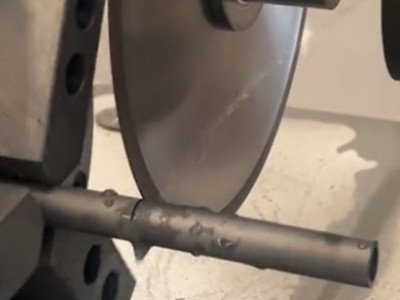
Cutting silicon carbide bushings requires professional diamond cutting discs. This guide covers tool selection of Moresuperhard metal‑bonded & resin‑bonded diamond cutting discs, as well as critical processing parameters to avoid chipping and cracking during SiC ceramic cutting.
Sep
17
Complete Selection Guide for Grinding Wheels of 6‑10% Cobalt Tungsten Carbide
6‑10% cobalt grade belongs to medium‑low cobalt hard alloy. It features high hardness and high brittleness. Common grinding defects include grinding cracks, edge chipping, cobalt phase corrosion precipitation and wheel glazing passivation. **Synthetic diamond (SDC) grinding wheels are preferred for WC‑Co grinding. This guide delivers practical selection suggestions covering bond type, grit size & concentration, wheel profile and grinding process. Moresuperhard develops customized full‑range SDC diamond wheels for 6‑10% Co hard alloy, compatible with CNC tool grinders such as Vollmer and Walter, solving industry‑wide pain points including edge chipping, micro‑cracks and rapid wheel passivation.
Sep
11
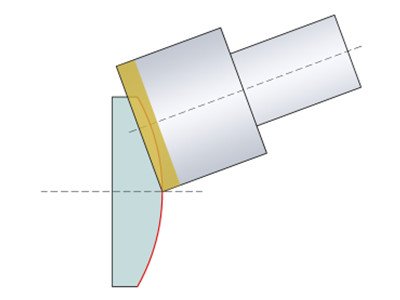
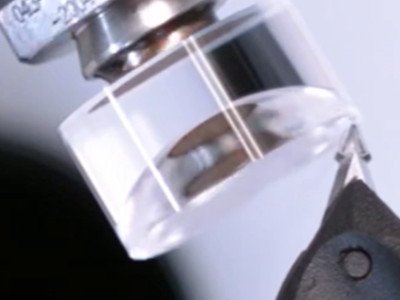
Application Case for Small Glass Lens Grinding
Read this Moresuperhard case study on custom metal‑bonded sintered diamond grinding heads for micro N‑SF11 optical glass lenses. We solved the challenge of miniature hemispherical concave tool fabrication, with 100‑grit rough‑grinding and 1000‑grit finish‑grinding configurations. Learn about real‑world machining feedback, surface‑roughness root‑cause analysis and our recommended combined grinding‑plus‑polishing workflow for high‑precision small optical lenses.
Sep
09
How to Choose Single‑Crystal Diamond Tools for Germanium / Silicon Infrared Optics SPDT
Germanium and silicon are typical hard‑brittle infrared optical materials widely used for infrared windows, lenses and mirrors. Single‑Point Diamond Turning (SPDT) is the mainstream ultra‑precision machining process to achieve nanometer‑level surface finish and low subsurface damage. Many manufacturers encounter defects including micro‑chipping, cracks and tool marks due to improper single‑crystal diamond (SCD) tool selection. Moresuperhard provides custom‑designed monocrystalline diamond cutting tools tailored for Ge and Si infrared optics, matching different lathes, workpiece structures and finishing requirements for both R&D and mass‑production applicationsMore Super...
Sep
03
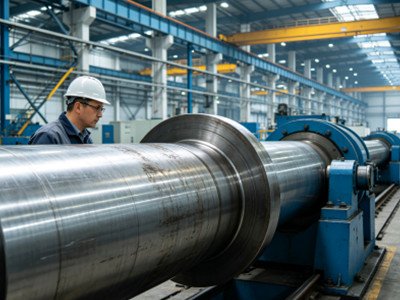
Roll Grinding Wheel Selection Guide
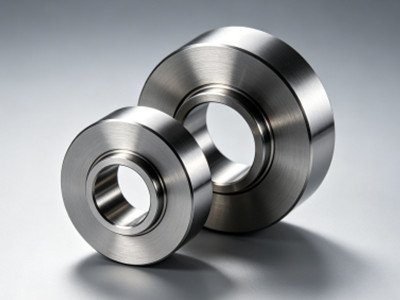
Proper grinding wheel selection greatly impacts roll re‑grinding results for steel, paper and non‑ferrous processing plants. Check Moresuperhard’s roll‑material‑to‑wheel matching chart. Our diamond and CBN superabrasive wheels provide high‑precision, long‑life performance for various roll types, helping you avoid thermal burn and improve grinding consistency.
Sep
01
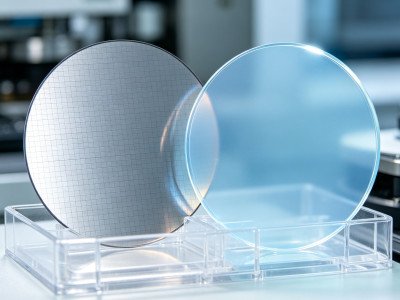
Differences Between Sapphire and Silicon Wafers & Diamond Grinding Wheel Selection
Sapphire and silicon wafers feature distinct material properties that require different diamond grinding wheels for semiconductor manufacturing. This paper compares their characteristics and processing procedures, provides grit‑based wheel‑selection advice for rough, semi‑finish, finish and super‑finish machining. Moresuperhard offers custom diamond wheels for sapphire and silicon wafer slicing, chamfering and thinning, helping factories reduce chipping and subsurface damage while improving production yield.
Aug
28
Metal Bond Diamond Grinding Wheels: Cermet Grinding Solutions By Moresuperhard
Cermets combine the high hardness of ceramics with the toughness of metals, making them increasingly popular as cutting tool materials in precision machining. However, their grinding process has long troubled manufacturers — conventional diamond wheels struggle to effectively cut cermet surfaces. This article systematically analyzes the grinding challenges of cermets and introduces how Moresuperhard's metal bond diamond grinding wheels solve this problem across the entire chain, from bond formulation and abrasive structure to dressing technology.
Aug
26
Resin‑Bonded vs Electroplated Diamond Abrasive Belts
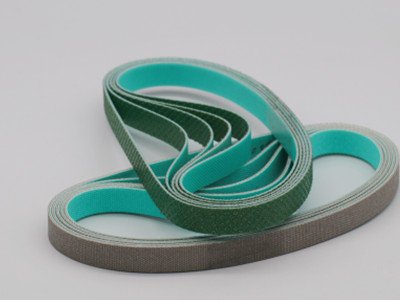
Resin‑bonded diamond belts and electroplated diamond belts are two mainstream types of superhard coated abrasives. They differ significantly in abrasive structure, cutting sharpness, service life and finished‑surface quality. Drawing on years of R&D and manufacturing experience in superhard abrasives, **Moresuperhard** breaks down their core differences and working scenarios to help manufacturers select the right product, improve grinding efficiency and reduce overall consumable costs.
Aug
21
How do vitrified CBN grinding wheels improve the stability of camshaft machining?
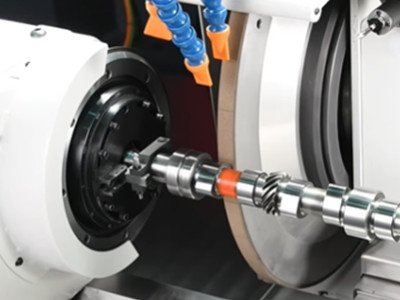
Camshaft grinding guide for 16MnCr5 & cast iron: vitrified CBN wheel selection, dressing parameters, and Moresuperhard case study on grinding stability.
Aug
19
A Complete Guide to Diamond Grinding Wheel Dressing for Ceramic Capillaries
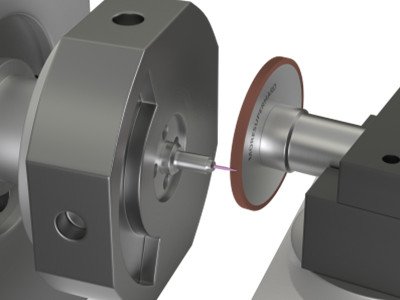
A ceramic capillary is the precision component that makes or breaks wire bond quality in semiconductor packaging—and the grinding wheel behind it is what makes or breaks the capillary. This guide walks through the complete dressing workflow for diamond superabrasive wheels: how resin, ceramic, and metal bond wheels each demand different dressing approaches, why the "true first, dress second" sequence matters, and how to avoid the four defects that quietly destroy capillary yield.
1
2
3
4
5
...
10
20
30
...
»
tech@moresuperhard.com
008617700605088