26
Dec
Alloy 59 (UNS N05590) is a high-performance nickel-based superalloy with a precisely controlled chemical composition. It contains approximately 59% nickel, 23% chromium, and 16% iron, with small additions of alloying elements such as molybdenum and titanium to optimize its overall performance.
Its key advantages can be summarized in three aspects:
Thanks to these properties, Alloy 59 is widely used in chemical processing equipment, offshore engineering systems, flue gas desulfurization units, and nuclear industry components, where materials are exposed to extremely demanding service conditions.
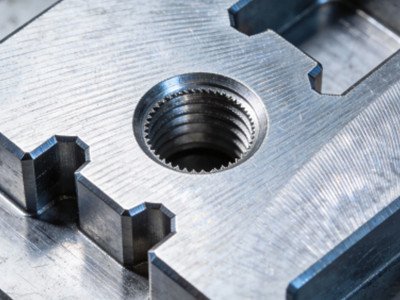
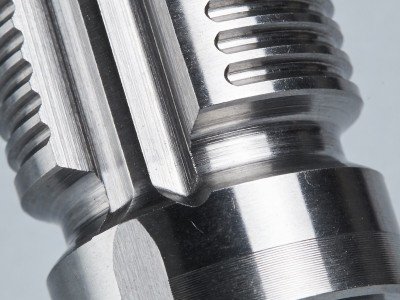
The outstanding mechanical and chemical properties of Alloy 59 also make it a typical difficult-to-machine material. During machining, several challenges arise directly from its inherent material characteristics:
These factors collectively increase machining difficulty and complicate process control.
Tool selection for Alloy 59 should follow the core principle of material compatibility, efficiency optimization, and cost control. Based on production volume, machining stage, and efficiency requirements, a layered tool selection strategy is recommended to achieve maximum economic benefit while maintaining machining quality.
Key machining characteristics to consider include:
Based on the machining characteristics of Alloy 59, the following tiered tool solutions are recommended:
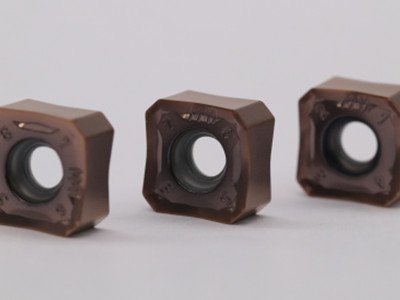
Fine-grain carbide inserts in ISO K20–K30 grades, reinforced with TaC or NbC phases, or dedicated superalloy machining grades, are strongly recommended. Multi-layer TiAlN or AlCrN coatings provide excellent hot hardness and resistance to crater wear.
These inserts are suitable for turning and milling operations, offering low unit cost, easy tool replacement, and strong adaptability—making them the most economical choice for small to medium batch production.
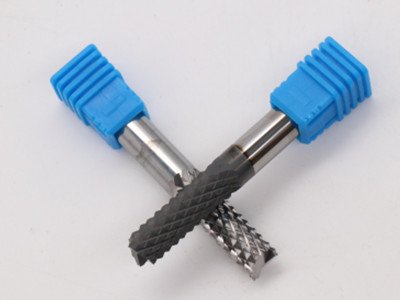
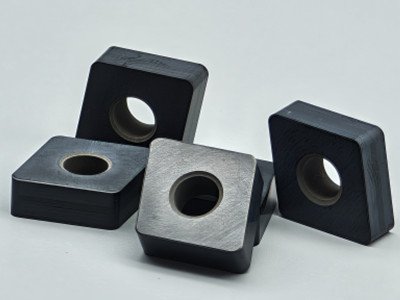
For stable cutting conditions in continuous roughing and semi-finishing turning, SiAlON ceramic inserts allow cutting speeds 2–3 times higher than carbide tools, significantly improving productivity and reducing cycle time.
However, due to their inherent brittleness, they should not be used for interrupted cutting or thin-walled components, where edge chipping or tool breakage may occur.
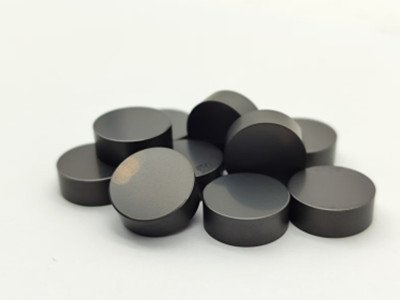
PCD tools exhibit poor chemical stability when machining iron-based materials and are therefore unsuitable for Alloy 59.
CBN tools offer excellent thermal resistance but are costly, and their performance advantages for Alloy 59 are limited. As a result, they are generally not recommended for this application.
Optimal tool performance can only be achieved when combined with well-designed machining parameters and process strategies:
In a valve stem machining application using Alloy 59, conventional carbide inserts could machine only three parts per cutting edge. After switching to dedicated coated carbide inserts for high-temperature alloys, tool life increased to over 25 parts per edge.
Surface roughness was consistently maintained at Ra ≤ 1.6 μm, and overall machining costs were reduced by approximately 35%, achieving a balanced improvement in quality, efficiency, and cost control.
Machining Alloy 59 does not necessarily require expensive superhard tools. By selecting dedicated coated carbide inserts and optimizing cutting parameters and cooling strategies, manufacturers can achieve high-efficiency, cost-effective production without compromising surface quality or dimensional stability.
This approach provides a practical and economical solution for small and medium-sized manufacturers facing the challenges of machining difficult-to-cut nickel-based alloys.