Home > Industry Solutions > Grinding Characteristics of Titanium-Based Alloys

05

Mar

Grinding Characteristics of Titanium-Based Alloys

50
Share:

New materials like titanium alloys (especially the most widely used Ti-6Al-4V, also known as TC4 or Grade 5) account for over 50% of total titanium alloy usage.
Titanium-copper alloys (e.g., Ti-2.5Cu, Ti-7Cu, Ti-14Cu) and titanium-aluminum alloys (broadly Ti-Al based, including Ti-6Al-4V or intermetallic γ-TiAl) each have specific focuses.
1. Common Titanium Alloy (Ti-6Al-4V as Representative)

Key Characteristics

  • Extremely high specific strength (strength-to-density ratio far superior to steel; density only ~60% of steel).
  • Excellent corrosion resistance (especially in seawater and oxidizing acids).
  • Good toughness and fatigue properties.
  • Decent high-temperature resistance (long-term service up to 350–400℃).
  • Outstanding biocompatibility (first choice for medical implants).
  • Drawbacks: Very low thermal conductivity (6–7 W/m·K, only 1/7 of steel and 1/16 of aluminum), high chemical reactivity (easily reacts with tools), low elastic modulus (half of steel), and severe work hardening.

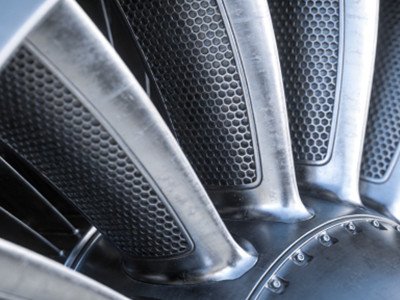
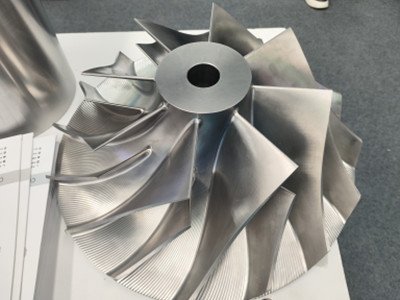
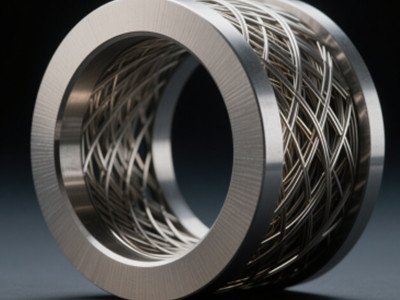
Titanium alloy turbine Niobium-Titanium alloy

Grinding Characteristics

  • Classic difficult-to-grind material.
  • High grinding temperatures and concentrated heat easily cause workpiece burn, high residual stresses, and microcracks.
  • Chips tend to adhere to the wheel, causing loading, dulling of grains, increased grinding forces.
  • Recommended: Green silicon carbide (SiC) wheels or CBN wheels; heavy use of coolant (high-pressure or cryogenic like liquid nitrogen).
  • Parameters: Lower wheel peripheral speed, relatively larger depth of cut/feed to avoid overheating.
  • For high surface integrity: Use creep-feed grinding or electrolytic in-process dressing (ELID).
  • Overall: Low efficiency, short wheel/tool life, high cost.

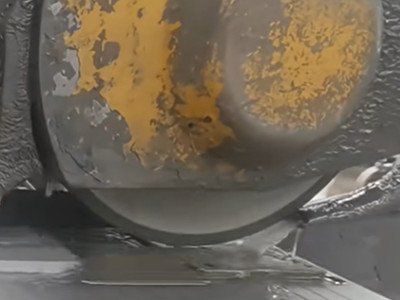
grinding Titanium alloy

2. Titanium-Copper Alloys (Ti-Cu, e.g., Ti-2.5Cu, Ti-7Cu, Ti-14Cu)

Key Characteristics

  • Copper addition to pure titanium improves high-temperature strength and heat resistance (usable above 350°C).
  • Age-hardening capability (precipitation of Ti₂Cu phase for strengthening).
  • Higher strength than pure Ti with reasonable ductility (e.g., Ti-2.5Cu elongation ~30%).
  • As Cu content increases: Strength and hardness rise significantly (Ti-14Cu tensile strength up to ~790 MPa, hardness +43%), but ductility decreases (elongation drops to ~12%).
  • Improved wear resistance and tribological properties (Ti₂Cu provides load-bearing, reduces friction coefficient).
  • Typical applications: Aerospace engine parts requiring heat/ablation resistance, or medical devices needing better wear performance.

Grinding Characteristics

  • Improved grindability compared to pure Ti and Ti-6Al-4V.
  • Studies show Cu addition enhances grindability, especially at high wheel speeds (continuous Ti₂Cu precipitation aids chip breaking and reduces adhesion).
  • Lower ductility in higher-Cu alloys helps reduce sticky chips.
  • Very high Cu content increases hardness and grinding resistance again.
  • Overall easier to grind than standard titanium alloys, but still requires good cooling and proper wheel selection; suitable for higher-speed grinding.

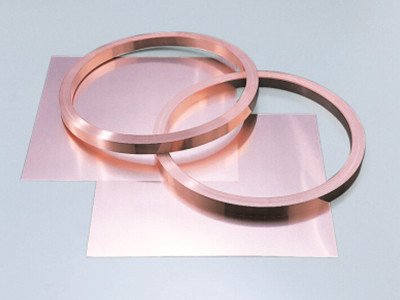
Titanium-Copper Alloys

3. Titanium-Aluminum Alloys (Ti-Al Based, e.g., Ti-6Al-4V or γ-TiAl)

Key Characteristics

  • Ti-6Al-4V itself is a typical Ti-Al alloy (6% Al + 4% V); Al strongly stabilizes α phase, boosts strength, hardness, and heat resistance.
  • γ-TiAl intermetallics (e.g., Ti-48Al-2Cr-2Nb) are next-generation high-temperature materials: Lower density (~3.7–4.0 g/cm³), excellent high-temperature strength (usable up to 800–1000°C), good oxidation resistance.
  • Drawbacks: Low room-temperature ductility, poor fracture toughness, extremely difficult to process (especially γ-TiAl due to brittleness).

Titanium-Aluminum Alloys

Grinding Characteristics

  • Similar to Ti-6Al-4V: Difficult to grind (low thermal conductivity + high reactivity).
  • γ-TiAl is even harder: High brittleness leads to surface microcracks, delamination, and fluctuating forces.
  • Requires ultra-precision grinding, electrolytic grinding, or laser-assisted grinding.
  • Wheel choice: Diamond or CBN wheels better for high-hardness TiAl.
  • Strict surface quality control (e.g., turbine blades demand crack-free, no altered layer).

Summary Comparison Table

Alloy Type Main Features Strength/Hardness Ductility/Toughness Heat Resistance Grinding Difficulty Typical Grinding Issues & Solutions
Titanium Alloy (Ti-6Al-4V) High specific strength, corrosion resistance, biocompatibility High Good Moderate ★★★★☆ High heat concentration, wheel loading → High-pressure cooling, SiC/CBN wheels
Titanium-Copper (Ti-Cu) Better high-temp strength, improved wear, age-hardenable High–Very high Moderate–Low Good ★★★☆☆ Easier than Ti-6Al-4V, supports higher speeds
Titanium-Aluminum (Ti-Al, incl. γ-TiAl) Superior high-temp performance (esp. γ-TiAl), lightweight High Moderate–Poor Good–Excellent ★★★★☆–★★★★★ Brittleness/cracks, altered layer → Precision/assisted grinding

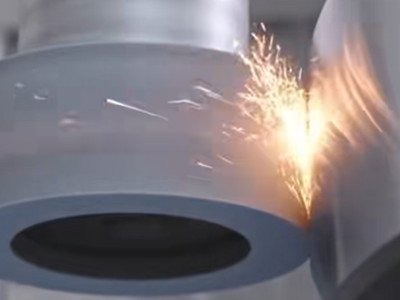
abrasive grinding wheel for Titanium alloy

Conclusion

The titanium alloy family remains one of the most difficult-to-machine groups overall. The core grinding challenges stem from high localized temperatures and chemical reactivity causing tool wear and surface damage. In practice, improvements come from cryogenic cooling, optimized wheels, and careful parameter control. For specific grades or applications (e.g., aerospace, medical, or 3C titanium frames), provide more details for tailored advice.


También podría ser de su interés
tech@moresuperhard.com
008617700605088