0086-17700605088
tech@moresuperhard.com
Home
About Us
Company Profile
Customer Reviews
FAQ
Videos Center
Products
Magnetic Material Processing
Cutting Tools
Grinding Tools
Glass
Composite Materials
Ceramic Materials
Superhard Materials
Non-ferrous Metals
Ferrous Metals
Cutting tools for difficult-to-cut materials
Optical Materials processing
Grinding wheel for optical windows
Diamond cutting wheel for glass
Ceramic Materials Processing
Cutting
Surface Grinding
Centerless Grinding
External Grinding
Composite Materials Processing
Cutting
Grinding
Diamond Materials Processing
Cutting Tool Blanks
PCD Cutting Machines
PCD/ CBN Grinding Wheel
MCD Tools Ginding
Peripheral Grinding Wheel
Cermet Tools Grinding
Diamond Parts Grinding
Grinding Machines
Dressing
Brazing
Semi-conductor Materials Processing
Cutting
Grinding
Polishing
Carbon Materials Processing
Cutting
Grinding
Polishing
New Metal Materials Processing
Grinding
Cutting
Application
News
Industry Solutions
Company News
PDF Downloads
Contact Us
Get a quote
Home
About Us
Company Profile
Customer Reviews
FAQ
Videos Center
Products
Magnetic Material Processing
Cutting Tools
Grinding Tools
Glass
Composite Materials
Ceramic Materials
Superhard Materials
Non-ferrous Metals
Ferrous Metals
Cutting tools for difficult-to-cut materials
Optical Materials processing
Grinding wheel for optical windows
Diamond cutting wheel for glass
Ceramic Materials Processing
Cutting
Surface Grinding
Centerless Grinding
External Grinding
Composite Materials Processing
Cutting
Grinding
Diamond Materials Processing
Cutting Tool Blanks
PCD Cutting Machines
PCD/ CBN Grinding Wheel
MCD Tools Ginding
Peripheral Grinding Wheel
Cermet Tools Grinding
Diamond Parts Grinding
Grinding Machines
Dressing
Brazing
Semi-conductor Materials Processing
Cutting
Grinding
Polishing
Carbon Materials Processing
Cutting
Grinding
Polishing
New Metal Materials Processing
Grinding
Cutting
Application
News
Industry Solutions
Company News
PDF Downloads
Contact Us
Email:
tech@moresuperhard.com
Whatsapp:
008617700605088
Tel:
008617700605088
Language:
English
English
English
News
Home
>
Industry Solutions
Industry Solutions
Company News
Feb
06
CBN insert machining solution for EN26 alloy steel (powder metallurgy type)
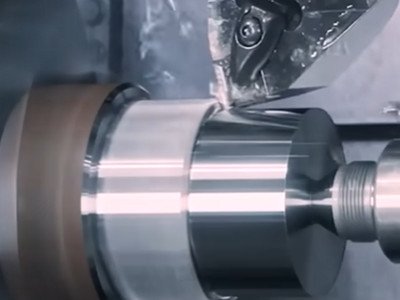
This article presents a machining solution for CBN inserts used in the processing of EN26 alloy steel produced by powder metallurgy. EN26 PM alloy steel is known for its high strength and toughness, but its uniform microstructure and elevated hardness pose challenges such as rapid tool wear, edge chipping, and unstable machining performance. By optimizing CBN insert grade selection, edge preparation, and cutting parameters, the solution achieves improved tool life, stable cutting behavior, and consistent surface quality. This case offers practical guidance for manufacturers aiming to enhance productivity and reliability when machining high-performance PM alloy steels.
Feb
04
Customer Case-Resin CBN Grinding Wheel for Stainless Steel Mechanical Parts
This customer case highlights a real-world application of a resin bond CBN grinding wheel in the precision grinding of stainless steel mechanical parts. The customer faced common challenges such as grinding burn, unstable surface finish, and low efficiency when using conventional abrasive wheels. By switching to a customized resin CBN grinding wheel and optimizing grinding parameters, they achieved more stable grinding performance, improved surface quality, reduced thermal damage, and extended wheel life. This case provides a practical reference for manufacturers seeking efficient and reliable grinding solutions for stainless steel components.
Jan
30
3Cr13 Stainless Steel Grinding Guide-No Chipping & Burning Tips
This practical guide breaks down the key techniques for grinding 3Cr13 martensitic stainless steel, a widely used material in knives, molds and hardware known for its moderate hardness and basic rust resistance yet prone to chipping, wheel clogging and workpiece burning during processing. It details the optimal grinding wheel selection criteria—prioritizing Single Crystal Corundum (SA) with medium-soft hardness (J/K), F60-F80 grit and a moderately loose structure (7-9)—and emphasizes the necessity of sufficient cutting fluid and gentle grinding practices (small feed rate, continuous movement, regular wheel dressing). Suitable for both beginner and professional metal workers, this guide provides easy-to-follow steps to avoid common grinding issues and achieve smooth, precise results with 3Cr13 stainless steel.
Jan
26
Grinding Technology and Application Cases of Rubber Materials
Rubber materials are widely used in automotive, aerospace, and industrial applications due to their elasticity, wear resistance, and sealing performance. However, grinding rubber presents unique challenges because of its low thermal conductivity and high deformation characteristics. This article provides a comprehensive overview of rubber material grinding technology, covering grinding wheel selection, process parameter control, and cooling methods. Real industrial application cases in automotive tires and aircraft engine seals are also presented, demonstrating how diamond and CBN grinding wheels can improve surface quality, dimensional accuracy, and production reliability in precision rubber grinding.
Jan
07
Precision Processing Method for Glass Edges
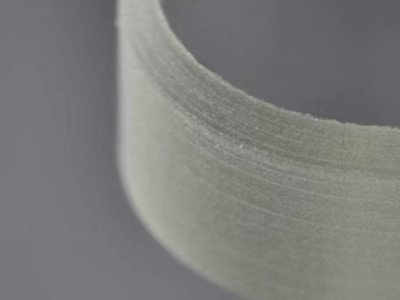
Glass edge processing plays a critical role in determining the mechanical strength, optical performance, and long-term reliability of glass components. This article systematically introduces precision glass edge processing methods—from grinding and chamfering to advanced polishing—explaining why polishing is essential after edge shaping. It also compares mainstream polishing technologies and highlights tape edge polishing as an emerging solution that enables precise control of edge morphology and surface roughness. The insights provided are especially valuable for applications involving display glass, optical glass, and high-precision glass components.
Jan
04
Resin Bond Diamond Wheels: Initial Dressing, Truing & Dressing
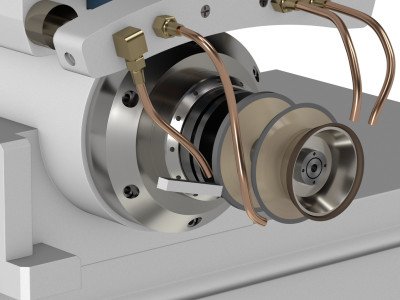
This article explores the critical role of initial dressing, truing, and dressing in maintaining the performance of resin bond diamond grinding wheels. It explains how proper wheel preparation and maintenance improve cutting efficiency, extend wheel life, and ensure high precision when machining hard and brittle materials such as cemented carbide and ceramics. Practical methods, key parameters, and common mistakes are highlighted to help manufacturers optimize grinding processes and achieve consistent, high-quality results.
Dec
26
Alloy 59: Material Properties and Cost-Effective Tool Selection
Alloy 59 (UNS N05590) is a high-performance nickel-based superalloy widely used in corrosive and high-temperature environments, but its excellent material properties also make it challenging to machine. This article provides a practical overview of Alloy 59’s key material characteristics, common machining difficulties, and proven strategies for selecting efficient and cost-effective cutting tools. By combining tool selection principles with real machining experience, the guide helps manufacturers improve productivity, control tooling costs, and achieve stable, high-quality machining results when working with Alloy 59.
Dec
17
Diamond Milling & Grinding Wheels for BK7 Optical Glass
An in-depth technical analysis of BK7 optical glass machining, focusing on material characteristics, processing challenges, and metal bond diamond grinding wheel solutions.
Dec
16
Titanium Alloy Machining Techniques
Learn how to overcome titanium alloy machining challenges with optimized cutting parameters, advanced tooling systems, cooling strategies, and deformation control.
Dec
12
Recommanded Grinding Wheel for PZT Ceramics
PZT (lead zirconate titanate) ceramics are widely used in high-precision applications such as sensors, actuators, ultrasonic transducers, and micro-mechanical systems. Their hard and brittle nature makes machining particularly challenging, requiring carefully selected diamond grinding wheels to achieve stable cutting performance, high material removal efficiency, and excellent surface quality. This article provides an overview of suitable grinding wheel types—resin bond, vitrified bond, and electroplated diamond wheels—and explains how each option enhances machining results when processing PZT ceramics.
Dec
04
Applications of Vitrified Diamond Grinding Wheel
Discover the key applications of vitrified diamond grinding wheels in carbide tools, PCD/PCBN machining, ceramics, glass, and precision industrial components.
Dec
01
Application of Polishing Pads in CMP Polishing of Sapphire Substrates
Polishing pads play a critical role in achieving high-precision surface quality in sapphire substrate manufacturing. This article explains the core functions of polishing pads, compares common pad materials such as polyurethane and non-woven composites, and analyzes how pad structure, hardness, and groove design influence polishing efficiency. It also discusses diamond dressing methods used to restore pad performance during production. Through these technical insights, the article highlights how optimized polishing pads enable ultra-flat, low-roughness sapphire substrates for use in LEDs, optics, and semiconductor applications.
«
1
2
3
4
5
...
10
20
...
»
tech@moresuperhard.com
008617700605088