18
Aug
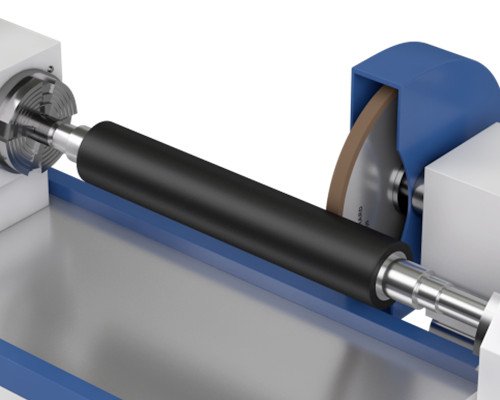
Rubber rollers are widely used in papermaking, printing and textile industries. Press rolls, size press rolls and backing rolls in paper mills are typical rubber‑covered workpieces. Rubber features high elasticity and poor thermal conductivity. It turns sticky easily under grinding heat. Ordinary grinding wheels frequently suffer loading/clogging, roller burning, burrs, scratches and chatter marks, which directly reduce finished‑product yield.
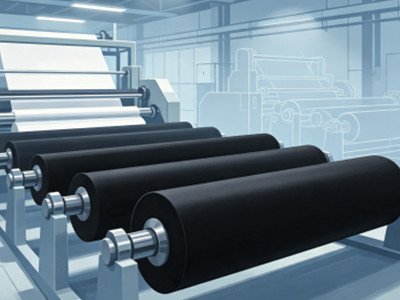
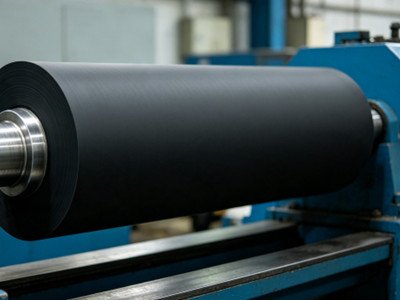
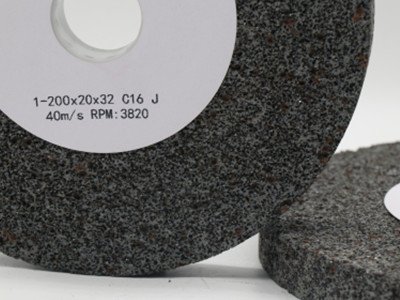
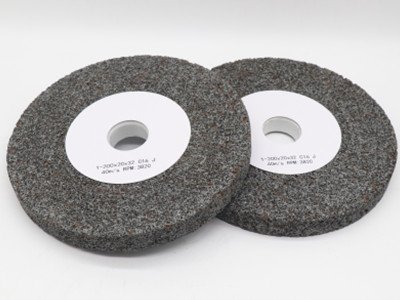
For rubber roller grinding challenges, Moresuperhard recommends resin‑bonded large‑pore silicon carbide (GC / C) grinding wheels as the preferred solution, solving typical grinding failures for rubber rollers.
Conventional corundum wheels are not suitable for this application, often causing slip and burning. Silicon carbide large‑pore wheels are the better choice.
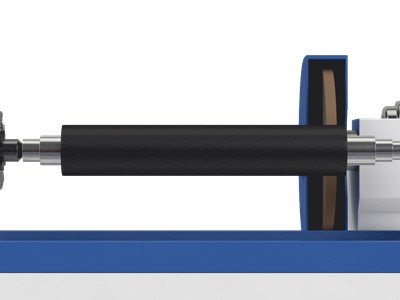
Silicon carbide is harder than corundum with sharp cutting edges. It works like miniature knives to cut rubber molecular chains cleanly and avoid tearing damage.
| Grinding Process | Grit Size | Remarks |
|---|---|---|
| Rough grinding for stock removal | F24‑F36 | Fast removal of worn rubber layers |
| Finish grinding | F46‑F60 | Uniform fine surface quality |
Note: Avoid grit finer than F80. Fine grit reduces chip space and easily causes slip and rubber burning.
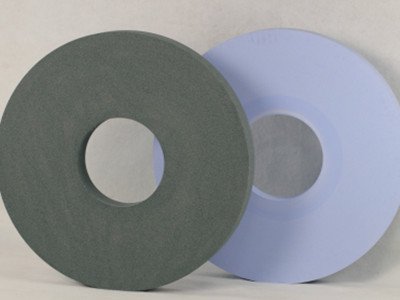
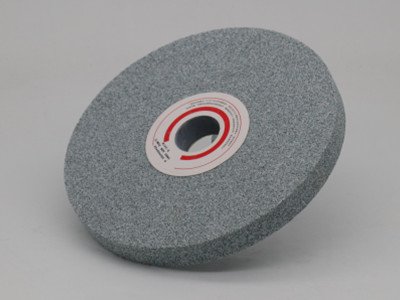
7‑12 grade large‑pore structure via special foaming process, providing ample chip‑holding space and coolant storage capacity.
Resin bond (B) with micro‑elasticity. It absorbs grinding shocks and suppresses chatter marks for consistent fine surface finish.
Practical tip: Sufficient coolant supply is strongly advised for rubber roller grinding to maximize wheel performance.
Grinding wheel selection heavily impacts yield and productivity for rubber roller machining. If you are troubled by wheel loading, burning or surface defects on rubber rollers, resin‑bonded large‑pore silicon carbide grinding wheel is a proven mature solution.
Contact Moresuperhard for full grinding advice and sample service.