10
Nov
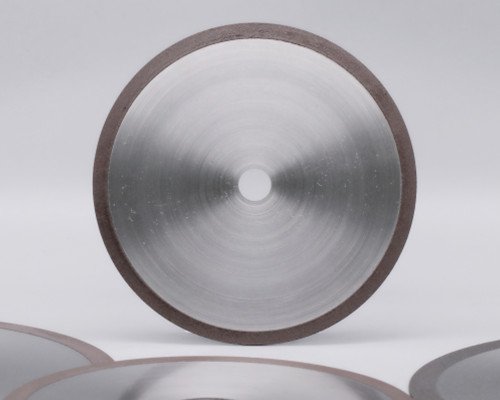
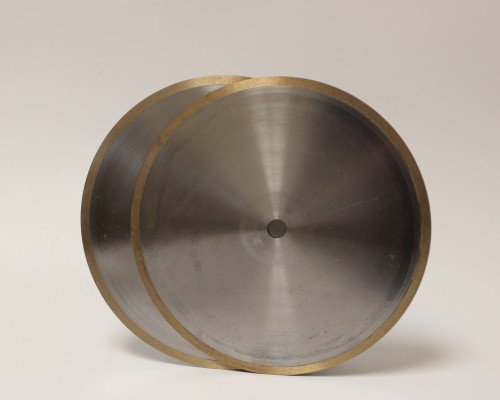
Quartz crucibles are critical vessels for monocrystalline silicon drawing in photovoltaic and semiconductor manufacturing. After high‑temperature arc melting forming, crucibles require end‑face cutting and port chamfering with diamond cutting discs to achieve target height and qualified port geometry. Chipping, invisible port micro‑cracks and heavy rework‑grinding are prevailing production pain points, strongly correlated with disc rotational speed, crucible rotary speed and traverse feed rate. This article introduces two mainstream diamond disc solutions, core selection criteria, standardized process windows and real‑customer mass‑production data, delivering practical technical references for crucible processing factories.
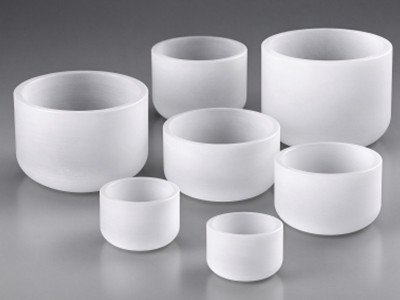
Mass‑produced photovoltaic and semiconductor quartz crucibles cover sizes from 16 inches to 37 inches. Each crucible consists of a transparent inner layer and an opaque outer layer, with wall thickness generally above 12 mm.
Manufactured via high‑temperature arc fusion, as‑formed crucibles have inherent contour dimensional fluctuation of ±3 mm. Such dimensional variance raises strict stability requirements for cutting tools and machine control systems. Post‑forming cutting and chamfering are mandatory processes to control crucible height and qualify port profile for subsequent Czochralski silicon crystal pulling.
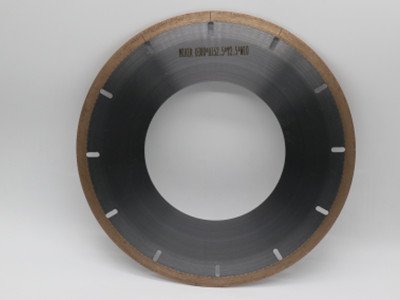
Two dominant diamond cutting disc solutions are widely adopted on production floors:
Three core selection metrics: diamond grit size, bond hardness, and diamond concentration.

Fused quartz belongs to hard‑brittle non‑metallic material. Improper parameter matching easily triggers quality risks:
Root causes for above defects include mismatched speed‑feed parameters, insufficient cooling, and excessive fluctuation of cutting pressure.
| Process Item | Value Range | Practical Notes |
|---|---|---|
| Spindle speed of diamond cutting disc | 2600‑2800 r/min | Core parameter for cutting linear velocity |
| Rotary speed of quartz crucible workpiece | 20‑25 r/min | Low‑speed rotation ensures even circumferential cutting |
| Traverse feed speed | 0.025‑0.04 mm/s | Higher feed rate causes chipping; too‑low feed results in disc burning and fast wear |
| Cooling solution | Fresh‑water wet cooling | Continuous cooling is mandatory to avoid thermal‑shock‑induced micro‑cracks |
Adopt closed‑loop control with cutting‑pressure feedback. This solution reduces cutting‑pressure fluctuation by more than 30 % and lowers premature break‑down failure rate by over 10 %, greatly improving finished‑product yield.

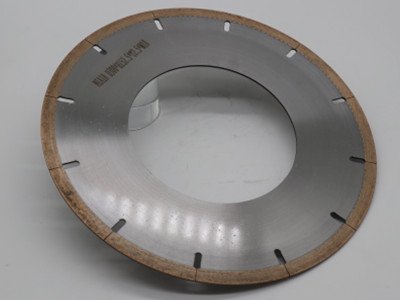
If you are troubled by frequent crucible chipping, short disc service life, micro‑cracks and high rework rate in quartz crucible cutting production, contact us for customized diamond disc selection and process tuning consultation.