Home > Industry Solutions > Cut Costs, Boost Accuracy: The Power of Tool Regrinding

22

Apr

Cut Costs, Boost Accuracy: The Power of Tool Regrinding

2
Share:

Tool regrinding is not simply “sharpening,” but a systematic engineering process to restore cutting performance, extend tool life, and stabilize machining accuracy. Due to the differences in material properties between carbide and PCD/PCBN superhard tools, grinding wheel selection, cooling strategies, and process parameters must be strictly matched.

Only in this way can problems such as edge chipping, burning, and accuracy failure be avoided, achieving the goal of “one regrind, stable batch, and cost savings.”
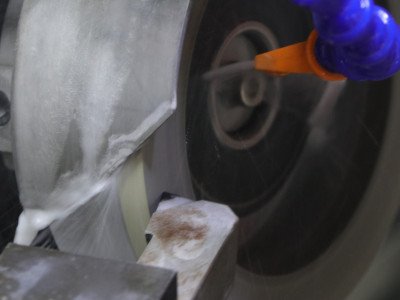
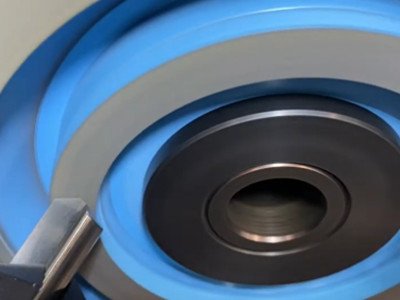
regrinding carbide tools

1. Why Establish a Tool Regrinding System?

In machining workshops, premature tool scrapping is common: the tool body remains intact, but only the cutting edge is worn, yet the tool is directly replaced. This not only increases costs but also affects production line stability.

The regrinding system brings three core values:

  • Cost Control: For high-value tools (PCD / PCBN / high-end carbide), the regrinding cost is only 10%–30% of a new tool. One tool can be reground 3–5 times, significantly reducing the cost per use.
  • Stable Accuracy: Regrinding restores cutting-edge geometry, solving issues such as dimensional fluctuation, poor surface roughness, and increased burrs, directly improving yield rate.
  • Delivery Assurance: Reduces dependence on new tool procurement cycles, establishes a tool recycling system, and lowers downtime risk.

Quick Judgment: Can It Be Reground?

✅ Suitable for regrinding:

  • No deformation of the tool body
  • Only cutting edge wear
  • Accuracy can be restored through regrinding

❌ Recommended replacement:

  • Tool body deformation
  • Dimensional instability after multiple regrinds
  • Regrinding cost close to a new tool

2. Carbide Tool (WC-Co) Regrinding: Control Brittleness, Prevent Chipping, Stabilize Heat Dissipation

Carbide tools feature high hardness, high brittleness, poor thermal conductivity, and sensitivity to thermal shock. The core of regrinding is low stress, gradual cooling, and prevention of cobalt leaching.
regrinding carbide tools

2.1 Grinding Wheel Selection (Accurate Technical Matching)

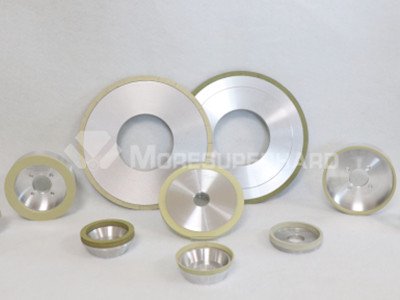
  • Mainstream: Resin bond diamond grinding wheels — good self-sharpening and gentle grinding to avoid edge chipping
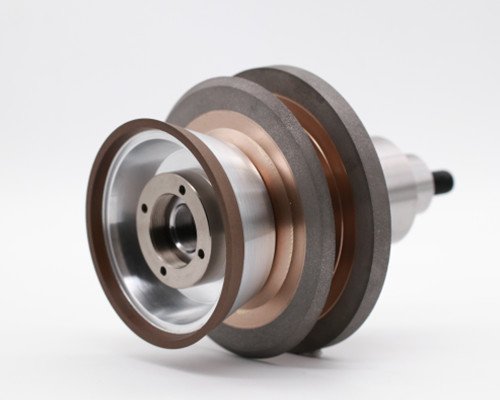
  • Special: Electroplated diamond grinding wheels for small-diameter deep-hole tools — high rigidity and no deformation
  • Common models: 1A1, 1V1, 14A1, 11V9 (flat / cup / dish types)

Grit size selection:

  • Rough grinding: 80 / 120#
  • Finish grinding: 230# (adjust according to surface finish requirements)

2.2 Coolant Specifications (Strictly Avoid Thermal Shock)

  • Preferred: Low-viscosity cutting oil (kinematic viscosity 8–12 mm²/s), providing good lubrication and stable heat dissipation
  • High-speed / large stock removal: 5%–8% emulsion with high flow and constant pressure supply

Prohibited: High-concentration strongly alkaline water-based fluids to prevent cobalt leaching and strength reduction
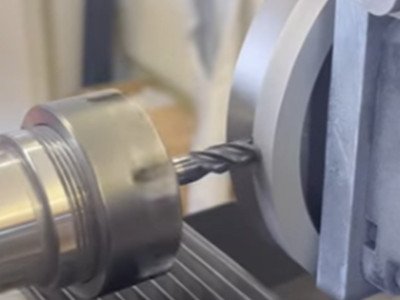
resharpeing carbide drills

2.3 Process Parameters (Rigid Control)

  • Single-pass depth of cut: ≤ 0.02 mm (small depth, multiple passes to reduce grinding force and heat accumulation)
  • Coolant pressure: 0.3–0.8 MPa
  • Flow rate: ≥ 2 L/min per mm of grinding wheel width, ensuring full coverage
  • Filtration accuracy: ≥ 10 μm to prevent secondary scratching
  • Stress relief: Low-temperature stress relief at 150–200°C after precision grinding to reduce chipping risk

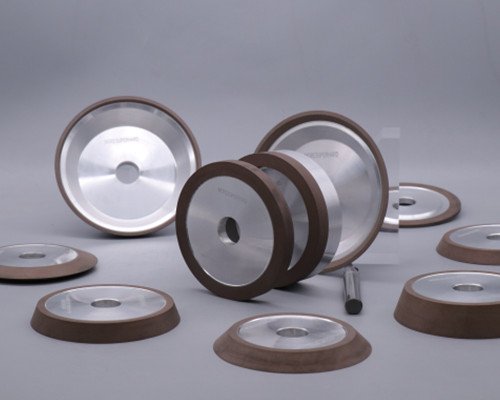
resin diamond grinding wheel 3

3. PCD/PCBN Superhard Tool Regrinding: High Precision, Low Damage, Anti-Scratch

Superhard tools are widely used in aluminum alloys, high-silicon aluminum, hardened steel, and optical ultra-precision machining. They require extremely high edge quality, surface finish, and no thermal damage.

3.1 Grinding Wheel Selection (Precise Matching by Material)

Tool Type Grinding Wheel Type Common Model Grit Configuration
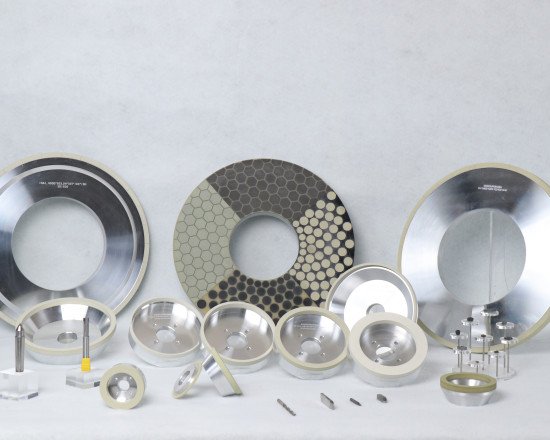
PCD / MCD Vitrified Bond Diamond Grinding Wheel 6A2 Rough grinding: 600/800#; Semi-finishing: 3000#; Finishing: 5000/8000/10000#
PCBN High-Stability Diamond Grinding Wheel Custom Profile Gradual refinement with strict thermal damage control

Core logic: Grit determines surface finish, bond determines stability. The finer the grit, the higher the surface finish but the lower the efficiency.
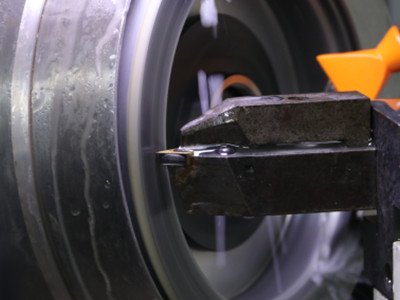
diamond cup wheel for cbn tools

3.2 Cooling Strategy (High Purity, No Impurities, Temperature Control)

  • PCD: Low-viscosity synthetic cutting fluid, clean and free of solid particles to prevent surface scratching
  • PCBN: Extreme-pressure cutting oil or semi-synthetic fluid, suitable for high-temperature grinding and suppressing burn

General requirements:

  • pH value: 8.5–9.5
  • Regular concentration monitoring to prevent deterioration and corrosion

3.3 Process Key Points (Ultra-Precision Control)

  • Single-pass depth of cut: ≤ 0.01 mm to strictly control grinding heat
  • Edge treatment: Light chamfering after finishing, avoid aggressive grinding
  • Grinding wheel must be dynamically balanced to control vibration and ensure angle and surface accuracy
  • Ultra-precision tools (optical / jewelry): multi-stage finishing combined with ultra-fine grit wheels to achieve nano-level edge and mirror finish

vitrified diamond grinding wheel2

4. Poor Regrinding Results? Common Root Causes and Solutions

Most failures are not due to lack of technology, but incorrect matching:

  • Wrong grinding wheel: Incorrect bond or grit leads to insufficient surface finish, tool burning, or low efficiency
  • Improper cooling: Insufficient cooling causes thermal cracks; poor fluid quality causes scratches; alkaline fluids cause cobalt leaching
  • Parameter loss of control: Excessive depth or feed leads to edge collapse and accuracy deviation
  • No quality control: Unbalanced wheels, lack of filtration, and no stress relief result in extremely poor stability

5. Summary: Three Golden Principles of Tool Regrinding

  • Match material with grinding wheel: Carbide → Resin bond diamond; PCD/PCBN → Vitrified bond diamond
  • Match cooling with material characteristics: Carbide must avoid thermal shock; superhard tools require high purity without impurities
  • Accuracy depends on process: Small depth of cut, multiple passes, mandatory balancing, frequent filtration, and stress relief

Final Insight

The true value of a tool does not lie in single use, but in repeatedly delivering performance through scientific regrinding. By strictly following the above selection and process specifications, manufacturers can not only stably restore precision and ensure machining quality, but also significantly reduce costs and enhance production line resilience.


También podría ser de su interés
super abrasives grinding wheel

Diamond & CBN Grinding Wheels for Carbide, HSS, Cermet | CNC Tool Grinders

vitrified diamond grinding wheel

Vitrified Diamond Grinding Wheels

Vitrified Bond Diamond Grinding Wheels Supplier.
tech@moresuperhard.com
008617700605088