22
Jul
Precision internal grinding of cemented carbide components faces a widespread industry challenge: the identical resin diamond internal grinding wheel delivers perfect surface finish, high yield rate and long service life for large-bore workpieces, yet generates regular inner wall scratches and sharply rises rejection rates once switched to small-bore parts. Most manufacturers immediately suspect defective grinding wheels and replace them repeatedly without resolving production bottlenecks. Combined with real mass-production service cases from Moresuperhard, this article analyzes the root causes of scratches exclusive to small bores, and elaborates on the core advantages and matching selection standards of customized Moresuperhard resin diamond grinding heads and internal grinding wheels, providing implementable process solutions for enterprises engaged in precision internal grinding of cemented carbide and ceramics.
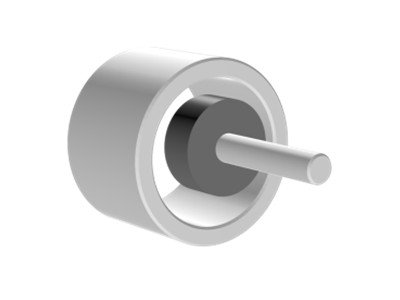
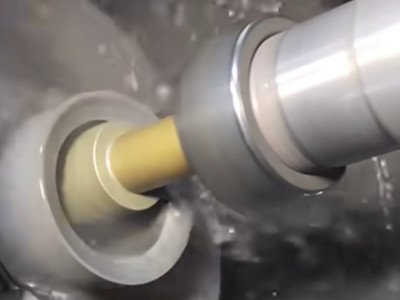
Workpiece material: Cemented carbide tungsten steel inner bore parts
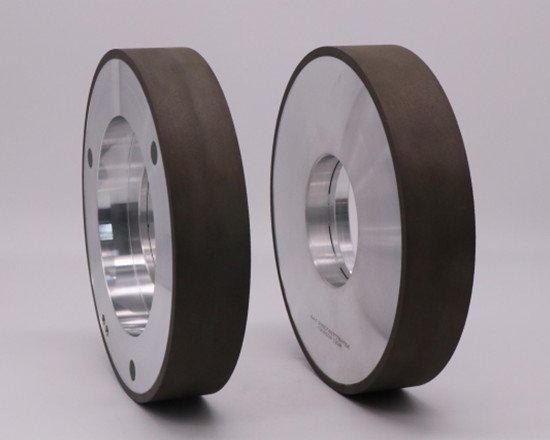
Grinding tool adopted: Moresuperhard D25-T25-H12 600# resin diamond internal grinding wheel; customized integrated resin diamond grinding heads of the same specification are available
No adjustments were made to processing equipment, grinding parameters, workpiece material or coolant formula, only the inner bore dimension of workpieces was changed.
After comprehensive on-site inspection, Moresuperhard technical engineers confirmed that scratches are not triggered by quality defects of Moresuperhard resin diamond wheels or grinding heads. Instead, they are process matching problems resulting from insufficient chip removal and cooling gaps in the confined grinding space of small bores, a typical drawback of universal wheels applied to both large and small bores.
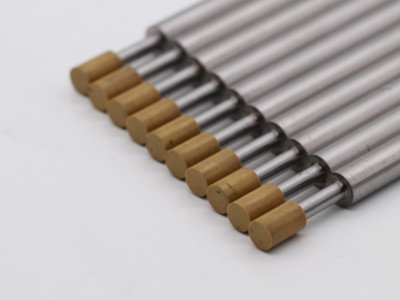
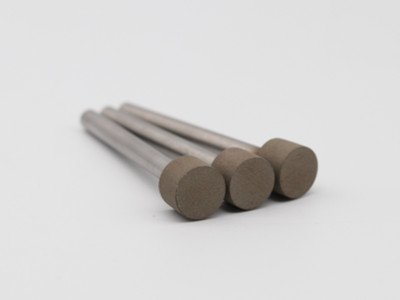
Cooling and chip removal in internal grinding fully rely on the gap between the outer surface of the wheel and the workpiece inner bore to circulate cutting fluid. Reducing workpiece bore size will significantly worsen working conditions in two aspects:
Resin-bonded diamond tools feature inherent self-sharpening performance. Tiny diamond grains fall off naturally during grinding, together with ultra-fine alloy debris generated from cemented carbide processing, which are normal processing phenomena. The ample gap of 30mm bores allows high-pressure cutting fluid to wash away loose particles instantly. In contrast, the narrow flow channel of 27mm bores limits coolant flow and velocity, trapping abrasive grains and metal debris at the grinding contact surface. These particles rotate at high speed with the wheel and scrape the inner bore wall, forming persistent scratch defects.
When a fixed-size Moresuperhard resin diamond wheel or grinding head processes smaller inner bores, the contact arc between the wheel and bore wall widens remarkably. Higher material removal per unit time generates far more grinding heat. The narrow cooling and chip removal channel plus accumulated chips and heat create a vicious cycle where scratches and workpiece burns grow worse as processing proceeds.
Many operators hold a misunderstanding that minor grain shedding equals poor wheel quality.
In fact, controllable self-sharpening performance is the core competitive edge of Moresuperhard resin diamond grinding heads and internal grinding wheels: Our self-developed modified resin bond features moderate elasticity. Worn abrasive grains fall off evenly to continuously expose sharp new cutting edges, ensuring long-term grinding without passivation, chip adhesion or cemented carbide workpiece burns. Compared with ordinary metal-bonded and ceramic-bonded wheels on the market, Moresuperhard tools deliver superior mirror finish in precision finishing.
Large-bore working conditions can fully leverage the self-sharpening advantage of Moresuperhard grinding tools. The confined space of small bores fails to evacuate shed abrasive grains in a timely manner, leading to batch scratches. The core problem lies in mismatched tool size and workpiece bore diameter rather than quality flaws of Moresuperhard products.
Increase coolant pressure and flow simultaneously, and adjust nozzles to align precisely with grinding contact zones for stronger chip flushing.
On-site test results show scratch defects decrease slightly, yet core contradictions of insufficient gaps remain unresolved due to limitations of original cooling pipelines and pump power. Scratches will recur during mass production, so this method only suits temporary transitional processing.
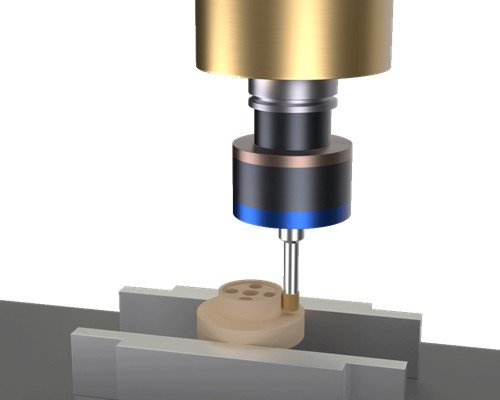
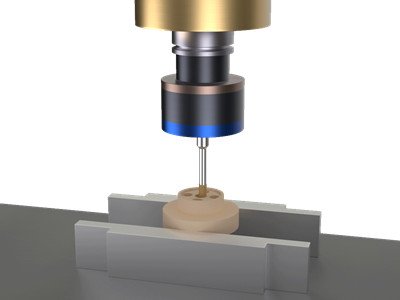
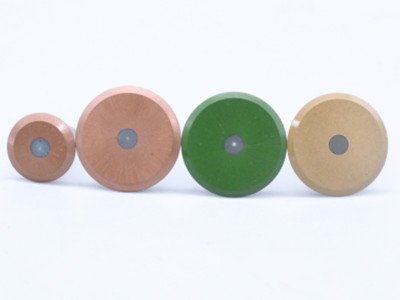
Based on the 27mm small bore inner diameter, Moresuperhard technical department customizes outer diameter-matched resin diamond internal grinding heads and compact internal grinding wheels. The design moderately widens the cooling and chip removal gap between the grinding tool and workpiece inner wall, optimizes the length of grinding contact arc, and balances heat generation and chip evacuation space.
Implementation effect: Smooth circulation of cutting fluid instantly washes away shed diamond particles and alloy debris, completely eliminating inner wall scratches. Workpiece dimensional accuracy and surface finish recover to stable standards, and the service life of Moresuperhard wheels returns to normal levels, enabling full-speed mass production without defects.
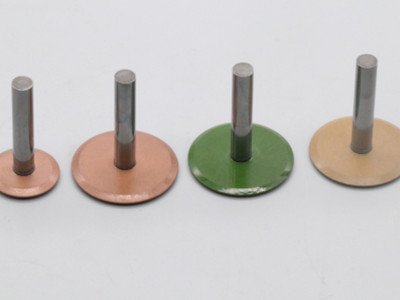
For precision internal finishing of cemented carbide, ceramics and magnetic materials, Moresuperhard full-series resin diamond tools include integrated shank grinding heads and standard internal grinding wheels. Developed exclusively for small bores, deep holes and mirror precision grinding, they solve common industry pain points of universal wheels: poor adaptability for mixed bore sizes, easy scratching, workpiece burning and short service life.
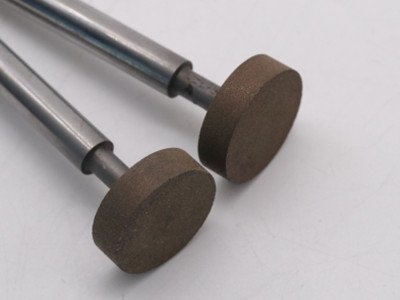
Even with customized Moresuperhard resin diamond grinding heads, fatigue and partially shed abrasive grains will accumulate on the surface after long continuous processing. A simple dressing cycle every 2–4 hours removes unstable grains in advance, preventing mass abrasive shedding that clogs gaps and stabilizing workpiece surface finish.
Adopt high-settling tungsten steel dedicated cutting fluid for small bore grinding to rapidly precipitate suspended diamond debris and alloy powder, avoiding secondary scratches caused by circulating impurities. Paired with custom Moresuperhard resin grinding heads, the yield improvement effect is doubled.