04
Aug
Driven by rapid expansion of new energy vehicles, energy storage systems, rail transit and high-voltage inverters, 4H-SiC substrates, the core material of third-generation semiconductors, are facing surging market demand. Monocrystalline SiC reaches 9.5 on the Mohs hardness scale, classified as an extremely hard and brittle material. During wafer backside thinning, conventional grinding processes easily trigger edge chipping, microcracks, deep sub-surface damage (SSD), wheel loading, grinding burns and thermal deformation, which severely compromise wafer yield and long-term reliability of power devices.
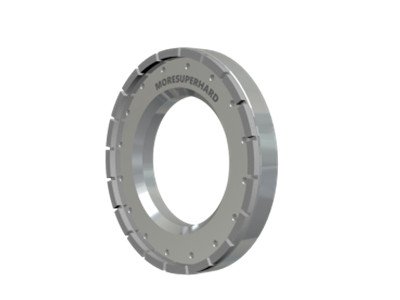
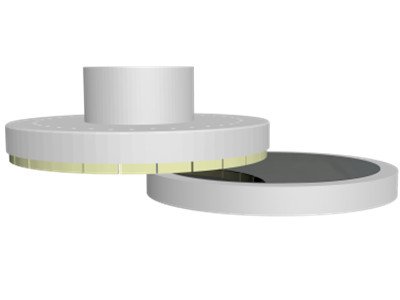
Diamond backgrinding wheels serve as the key process consumable for SiC wafer thinning. Apart from diamond grit grade and binder formulation, the geometric configuration of the working surface has become a decisive factor governing grinding stability, material removal efficiency and post-grinding wafer quality. Compared with traditional continuous-rim grinding wheels, segmented tooth-structured wheels deliver optimized interrupted cutting, fluid flow and heat exchange performance, and have become the mainstream solution for SiC coarse and intermediate grinding processes. This article systematically elaborates the underlying design principles, core competitive advantages and industrial application scenarios of tooth-structured thinning wheels for SiC wafers.
When continuous-rim wheels are adopted for SiC grinding, four prominent technical limitations emerge:
The tooth-structured grinding wheel is engineered to resolve these pain points. Segmented abrasive teeth and intermediate grooves reconstruct mechanical stress distribution, fluid field and heat dissipation conditions at the grinding interface.
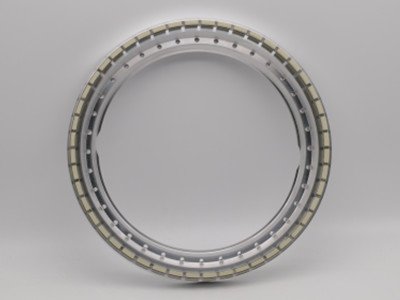
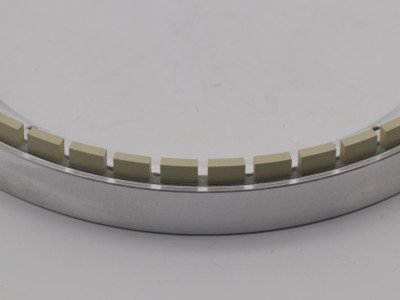
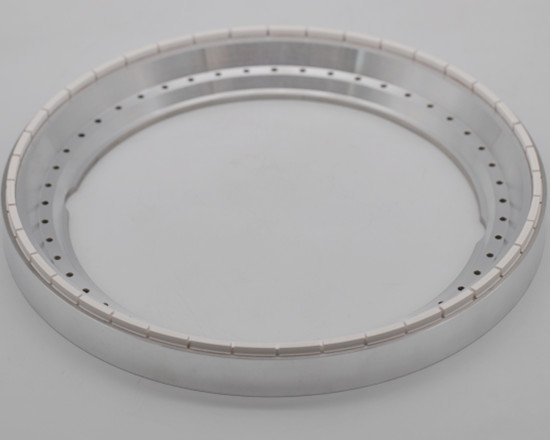
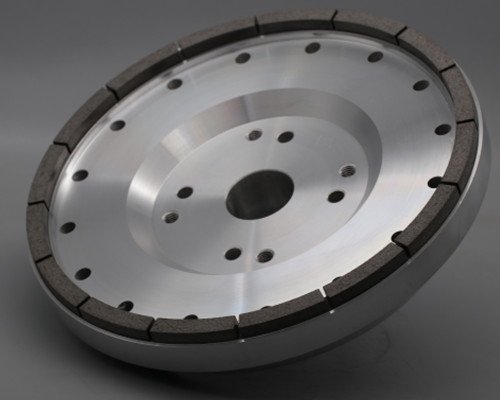
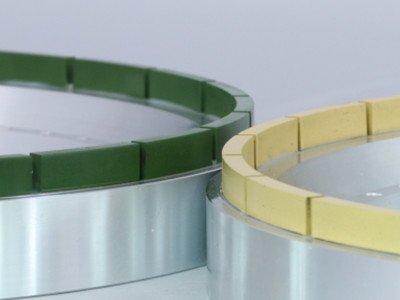
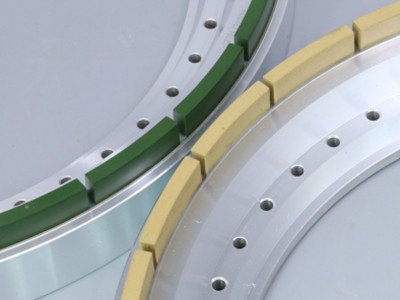
A tooth-structured wheel consists of an aluminum alloy substrate, segmented diamond abrasive teeth and chip/cooling grooves between teeth. Abrasive teeth are evenly distributed circumferentially. Radial straight teeth, inclined spiral teeth and staggered tooth layouts can be customized according to process requirements. The overall design is built on four core theories: interrupted cutting mechanics, enhanced fluid cooling & chip evacuation, controlled wheel self-sharpening and balanced vibration suppression.
Continuous-rim wheels maintain uninterrupted contact with the wafer. In contrast, tooth-structured wheels achieve interrupted cutting:
Periodic load variation lowers average grinding force, suppresses crack propagation in SiC and reduces risks of chipping and wafer breakage. Meanwhile, cyclic stress relief mitigates fatigue failure of diamond grains and improves wheel self-sharpening performance.
Circumferential grooves form through-flow channels — the most critical value of tooth geometry:
Tooth profiles are not standardized universally; parameters must be tailored for coarse grinding and intermediate grinding respectively:
Evenly spaced tooth layout guarantees dynamic balance at typical operating speeds (3,000 ~ 6,000 rpm) and inhibits periodic vibration. Uneven tooth distribution causes grinding chatter, surface waviness and inconsistent wafer thickness, hence mass-production tooth-structured wheels require strict tolerance control on tooth pitch.
Important distinction: Tooth-segmented wheels ≠ simple grooved continuous wheels. Basic grooved wheels only feature shallow slots on a monolithic abrasive layer. Professional semiconductor tooth-structured wheels adopt independent separated abrasive segments with fully penetrating grooves, delivering drastically superior cooling and chip evacuation capacity.
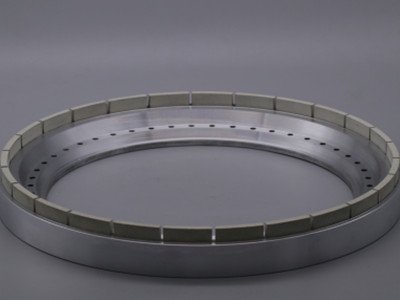
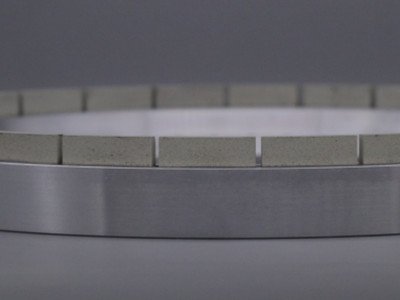
Sub-surface microcracks severely degrade voltage resistance and increase leakage current of SiC power devices. Persistent coolant delivery via tooth grooves lowers interface temperature and thermal stress. Combined with low-impact interrupted cutting, the depth of sub-surface damage is significantly reduced compared with continuous wheels. This cuts required removal thickness in subsequent CMP polishing and shortens the full manufacturing workflow.
Hard SiC micro-powder easily clogs wheel porosity. Continuous open grooves enable steady debris discharge, preventing passive glazing. During extended mass production, spindle current fluctuation is minimized, grinding force remains consistent, and unplanned wheel dressing frequency drops substantially, improving equipment uptime.
Under identical spindle power, the effective contact area of segmented wheels is reduced, lowering overall grinding resistance. Production lines can adopt higher feed rates for faster material removal. For 6-inch and 8-inch SiC substrate coarse thinning, field tests demonstrate 20%~40% higher productivity versus continuous-rim wheels, ideal for high-volume fabs pursuing cost reduction.
Instantaneous sustained load is the primary cause of edge chipping on brittle wafers. Interrupted cutting enables cyclic stress release and reduces impact load on wafer edges. Low-temperature processing also lessens thermal deformation, drastically lowering fragment rates for ultra-thin SiC wafers (<100 μm).
Tooth-structured diamond wheels adopt standard 6A2 / 6A9 configurations, compatible with backgrinders from Disco, Tokyo Seimitsu, Okamoto and major domestic equipment brands. Multiple binder options are available:
Applicable processes include:
Note: Tooth-structured wheels are mainly applied to coarse & intermediate grinding. Continuous fine-grinding wheels are recommended for final finish grinding to avoid periodic grinding texture transfer onto wafer surfaces.
These synergistic benefits effectively cut the comprehensive processing cost per SiC wafer.
Process boundary reminder: Direct use of segmented tooth wheels for ultra-fine finish grinding is not advised, to prevent replicated tooth patterns on wafer surfaces. The mature industry process chain: Coarse Grinding (Segmented Tooth Wheel) + Fine Grinding (Continuous Rim Wheel).
Auxiliary condition: Sufficient coolant flow is required to fully leverage the fluid cooling design of tooth grooves.
SiC wafers are advancing toward 8-inch and 12-inch large-size formats, imposing stricter requirements on thinning stability, consistency and production yield. Further performance gains relying solely on abrasive grit and binder formulation are hitting bottlenecks. Structural innovation has become a key breakthrough direction for next-generation superabrasive tools.
Benefiting from dual advantages of interrupted mechanical cutting and enhanced fluid heat exchange, tooth-structured grinding wheels perfectly match the grinding characteristics of hard brittle SiC materials, and have become one of the optimal mass-production solutions for SiC substrate coarse thinning.
Moresuperhard provides customized tooth-structured SiC thinning wheel solutions with integrated design of tooth pitch, tooth width, inclination angle, diamond concentration and binder system, tailored to customer wafer size, equipment model and target process parameters. We also offer technical support including wheel dressing guidance and grinding parameter optimization, supporting third-generation semiconductor manufacturers in consumable localization and continuous yield improvement.
Moresuperhard specializes in R&D and manufacturing of superabrasive tools for SiC / GaN semiconductor wafer cutting, grinding and polishing. Our product portfolio covers SiC backgrinding wheels, dicing blades and edge grinding wheels, delivering full-process consumable solutions and professional process consultation for compound semiconductor fabs worldwide.