Home > Industry Solutions > Resin‑Bonded vs Electroplated Diamond Abrasive Belts

26

Aug

Resin‑Bonded vs Electroplated Diamond Abrasive Belts

264
Share:

Diamond abrasive belts are coated abrasives made by bonding synthetic diamond grains onto flexible substrates. They feature high grinding efficiency, excellent durability and superior surface finishing performance, and are widely used for grinding and polishing hard‑to‑machine workpieces such as cemented carbide, ceramics, glass, thermal‑sprayed coatings and silicon‑based materials. Based on bonding agents, they are mainly divided into resin‑bonded diamond abrasive belts and electroplated diamond abrasive belts.

Great differences exist in internal structure, grinding performance and applicable working conditions between the two. Proper selection guarantees part quality, reduces belt replacement frequency and effectively cuts production costs. Moresuperhard provides custom‑manufacturing services for both series of diamond belts, supporting customization of grain size, substrate, dimensions and adaption for dry/wet grinding conditions. Our products serve customers across aerospace, semiconductor, cutting‑tool manufacturing, glass processing and precision roll‑grinding industries.
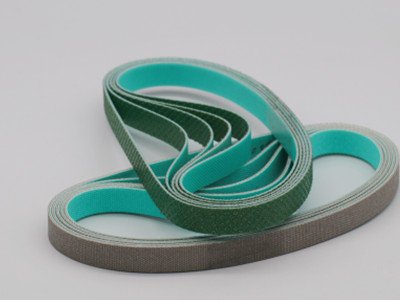
SCD sanding belts

Core Differences between Resin‑Bonded and Electroplated Diamond Abrasive Belts

Resin‑Bonded Diamond Abrasive Belts

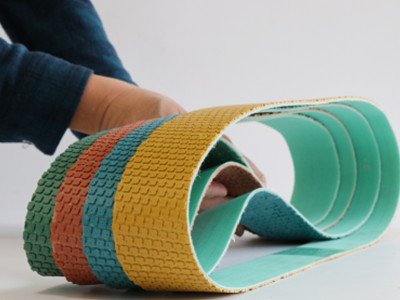
Resin‑bonded diamond belts adopt phenolic resin mixed with minor metallic powder as bonding material, forming a multi‑layer abrasive structure.

As outer diamond grains wear and break away, fresh inner grains are continuously exposed, delivering outstanding self‑sharpening performance and longer service life. Both dry‑grinding and wet‑grinding modes are supported. Hard‑resin versions offer improved temperature resistance and wear resistance to meet special processing requirements such as water‑proof and oil‑proof applications.
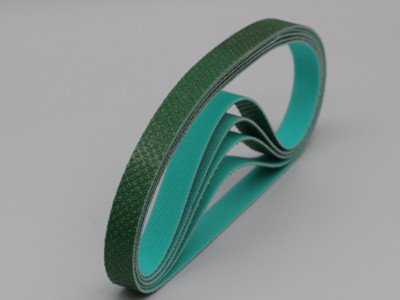
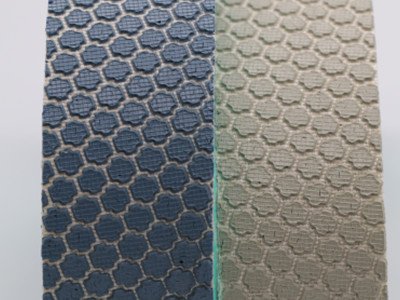
resin bond diamond sanding belts diamond abrasives belts

Electroplated Diamond Abrasive Belts

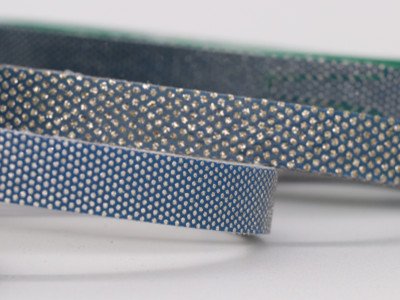
Electroplated diamond abrasive belts fix diamond particles onto flexible substrates via nickel‑alloy electro‑deposition, forming a single‑layer abrasive structure.

Abrasive grains achieve high protrusion height for extremely sharp cutting performance. Large chip‑holding gaps between grinding units deliver excellent heat dissipation and reduce workpiece burn. Limited by its single‑layer‑grain design, its service life is relatively shorter compared with resin‑bonded belts. Electroplated belts also support both dry and wet grinding.
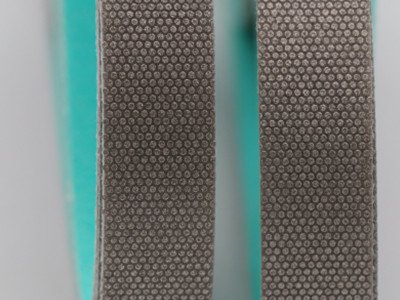
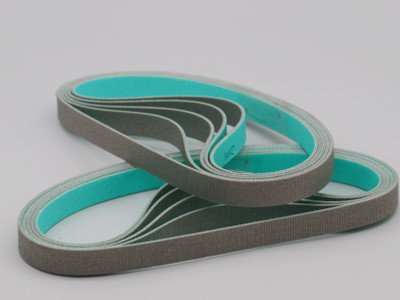
Diamond sanding belts for carbide electroplated diamond sanding belts2

Core Parameter Comparison Table

Evaluation Item Resin‑Bonded Diamond Belt Electroplated Diamond Belt
Abrasive Structure Multi‑layer abrasive Single‑layer abrasive
Service Life Longer Shorter
Cutting Sharpness Medium Extremely high
Surface Finish Excellent high‑gloss effect Good grinding performance
Grinding Mode Dry & wet grinding available Dry & wet grinding available
Moresuperhard Typical Applications Precision roll grinding, thermal‑spray coating polishing, high‑finish fine grinding, cemented‑carbide tool finishing Complex‑surface aerospace finishing, glass edge grinding & chamfering, semiconductor silicon‑material processing, high‑volume hard‑brittle‑material cutting

Application Scenarios for Resin‑Bonded Diamond Abrasive Belts

Benefiting from multi‑layer abrasive structure, reliable self‑sharpening performance, long service life and premium polishing capability, Moresuperhard resin‑bonded diamond belts are ideal for applications requiring superior surface quality, small material removal rates and fewer belt‑change cycles.
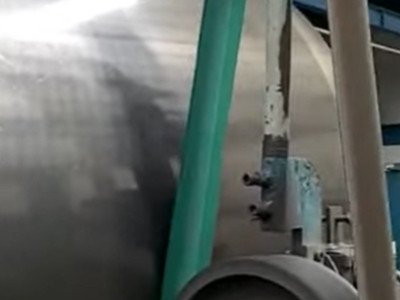
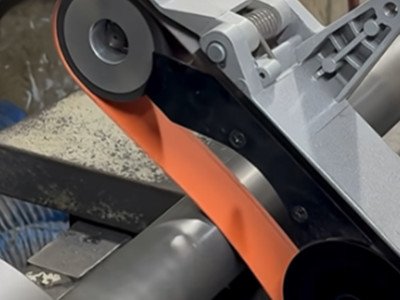
  1. Precision Roll IndustrySuitable for rough grinding and fine polishing of superhard rolls including ceramic rolls, cemented‑carbide rolls and tungsten‑carbide rolls. Hard‑resin diamond belts perform well in dry‑grinding environments with enhanced wear‑resistance and thermal stability, satisfying water‑proof and oil‑proof special requirements. They are widely adopted for precision roll components in paper‑making and film‑production industries.
  2. Surface Treatment for Thermal‑Sprayed CoatingsThe preferred solution for polishing WC (tungsten carbide) coatings and aerospace thermal‑spray ceramic coatings (TBC). Many components in aerospace, power‑generation and automotive industries adopt thermal‑spray coatings for enhanced wear resistance. Such coatings are extremely hard and brittle, and ordinary abrasive belts tend to passivate rapidly. Moresuperhard resin‑bonded diamond belts efficiently process these hard brittle coatings, avoiding coating chipping and peeling while stabilizing roughness indicators.
  3. High‑requirement Fine PolishingThe resin bond features moderate elasticity to optimize workpiece surface roughness and deliver high‑gloss surfaces. When polishing tungsten‑carbide parts, resin‑bonded diamond belts produce higher gloss than electroplated belts, well suited for components with strict Ra‑value and appearance standards.
  4. Grinding for Cemented‑Carbide Tools and Saw BladesApplied for edge grinding of cemented‑carbide cutting tools, woodworking tools and alloy saw blades. It balances grinding efficiency and surface finish and minimizes edge chipping and micro‑cracks on tool edges.
  5. Grinding & Polishing for Glass, Ceramics and StoneCapable of grinding and fine‑polishing glass, industrial ceramics, stone, cemented carbide and metallic oxide layers.

polishing carbide coatings sanding process ceramic coatings

Application Scenarios for Electroplated Diamond Abrasive Belts

Moresuperhard electroplated diamond abrasive belts feature ultra‑high sharpness, reliable chip‑removal & heat dissipation and flexible substrates. They excel in heavy‑stock‑removal, complex‑curved‑surface and high‑volume hard‑brittle‑material processing.
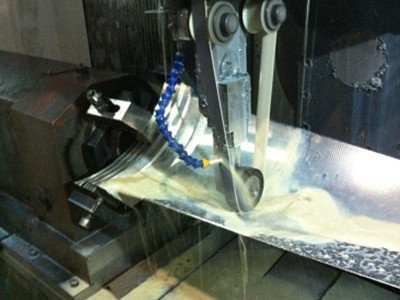
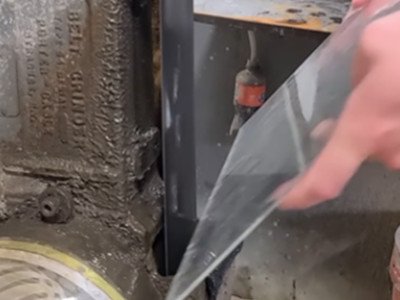
  1. Aerospace Component ManufacturingTypically used for surface finishing of aero‑engine blades. These parts feature complex curved profiles and small‑diameter‑wheel working conditions, which place high demands on belt flexibility. Moresuperhard electroplated diamond belts can be equipped with extra elastic backing layers to improve elastic deformation capacity, enabling uniform finishing on concave arcs and complex blade surfaces. Specially designed joints maintain consistent thickness and flexibility across the whole belt, delivering up to 30‑times longer service life than conventional belts and reducing aerospace‑part rejection rates.
  2. Glass Processing IndustryIdeal for edge‑grinding and chamfering of automotive windshields, architectural special‑shaped tempered glass, furniture door‑window glass and electronic‑grade glass. Thanks to excellent sharpness, chip‑removal and heat‑dissipation performance, electroplated belts effectively prevent glass edge chipping and cracking, and have become mainstream consumables for glass deep‑processing production lines.
  3. Semiconductor Silicon‑Material ProcessingFor grinding monocrystalline silicon and polycrystalline silicon. Silicon is high‑value hard‑brittle material that requires both high efficiency and low‑damage processing. The orderly‑arranged abrasive grains of electroplated diamond belts bring outstanding heat dissipation, lowering risks of silicon‑wafer chipping and cracking to improve semiconductor product yield.
  4. Mass‑production Grinding for Hard‑brittle Non‑metallic MaterialsWidely used for high‑volume grinding of stone, ceramics, crystal and various composite materials. With strong versatility for diverse hard‑brittle materials, electroplated diamond belts have been widely deployed in global manufacturing plants.
  5. Grinding for Cemented Carbide and MetalsSuitable for grinding cemented‑carbide, high‑speed‑steel and tool‑steel cutting tools, as well as polishing stainless‑steel, aluminum and other metallic workpieces.

Diamond Sanding Belts for Turbine blade diamond sanding belts for glass

Practical Selection Guidance from Moresuperhard

  1. Choose Resin‑Bonded Diamond Abrasive Belts when:High‑gloss surface finish is required, material removal rate is low, and long belt service life is expected. Typical applications include precision‑roll grinding, post‑polishing for thermal‑sprayed coatings, fine grinding of cemented‑carbide tools and ceramic‑component mirror polishing. Moresuperhard supplies both soft‑resin and hard‑resin belts customized for dry‑grinding or wet‑grinding production lines.
  2. Choose Electroplated Diamond Abrasive Belts when:Heavy stock removal, complex‑surface machining or mass‑production of hard‑brittle materials is required. Typical applications include aero‑engine‑blade finishing, glass edge grinding, silicon‑wafer processing and rough grinding of stone & ceramics. Moresuperhard electroplated belts support customization of grain layout, substrate elasticity and joint technology to match different belt‑grinder equipment.

Note: Real‑world selection should also take belt‑grinder model, contact‑wheel hardness, grinding pressure and cooling conditions into comprehensive consideration. Moresuperhard provides complete grinding‑solution recommendations covering grain size, substrate and specifications according to workpiece material, target roughness and equipment parameters. Sample testing is available.
cbn abrasive belts electroplated CBN sanding belts

Frequently Asked Questions

Q1: How to choose between resin‑bonded and electroplated belts for cemented‑carbide processing?
A: Select electroplated diamond belts for rough‑grinding and stock removal; select resin‑bonded diamond belts for fine‑finishing and high‑gloss surface requirements.
Q2: Can diamond abrasive belts work under dry‑grinding conditions?
A: Both series from Moresuperhard support dry and wet grinding. Hard‑resin belts are preferred for dry‑grinding scenarios. Please control grinding pressure to avoid workpiece overheating.
Q3: Can I extend the service life of diamond abrasive belts?
A: Besides proper belt selection, matching suitable contact‑wheels, avoiding instant overload and applying coolant will significantly prolong belt service life.
Q4: Are non‑standard‑size customizations available?
A: Moresuperhard supports custom‑made length, width, grain size, substrate and joint types. Sample supply is available for evaluation.

About Moresuperhard

Moresuperhard is a source‑focused manufacturer specializing in R&D and production of superhard abrasives. Our product portfolio covers diamond abrasive belts, CBN abrasive belts, grinding wheels and grinding discs, serving global manufacturing industries. We deliver complete grinding & polishing solutions for thermal‑spray coating, aerospace, semiconductor, cutting‑tool, glass and stone industries. Feel free to contact us for sample testing and custom‑order inquiries.

This is an original technical article published by Moresuperhard for technical reference. Please indicate the source when reprinting.
También podría ser de su interés
cbn sanding belts

CBN Sanding Belts For Steel

CBN sanding belts are engineered for grinding and finishing ferrous metals where diamond abrasives are chemically unsuitable. Featuring cubic boron nitride grains with thermal stability above 1,000 °C and chemical inertness to iron-group elements, they consistently deliver sharp cutting action, minimal thermal damage, and 3–5× the service life of conventional aluminum oxide belts. Ideal for hardened steel, tool steel, HSS, alloy steel, and superalloys across automotive, aerospace, mold & die, and gear manufacturing applications.
diamond abrasives belt

Diamond Sanding Belt – High-Efficiency Grinding Solution for Fiberglass/CFRP Wind Turbine Blades

Diamond abrasive belts are specially designed for grinding, trimming and finishing of glass fiber (GFRP)/carbon fiber fan blades. They use high-quality diamond abrasives and are combined with durable and flexible substrates to ensure efficient and stable processing performance. Compared with traditional abrasive belts, diamond abrasive belts have a longer life and stronger cutting force, which can greatly improve processing efficiency, reduce replacement frequency, and improve the surface quality of fan blades.
tech@moresuperhard.com
008617700605088